
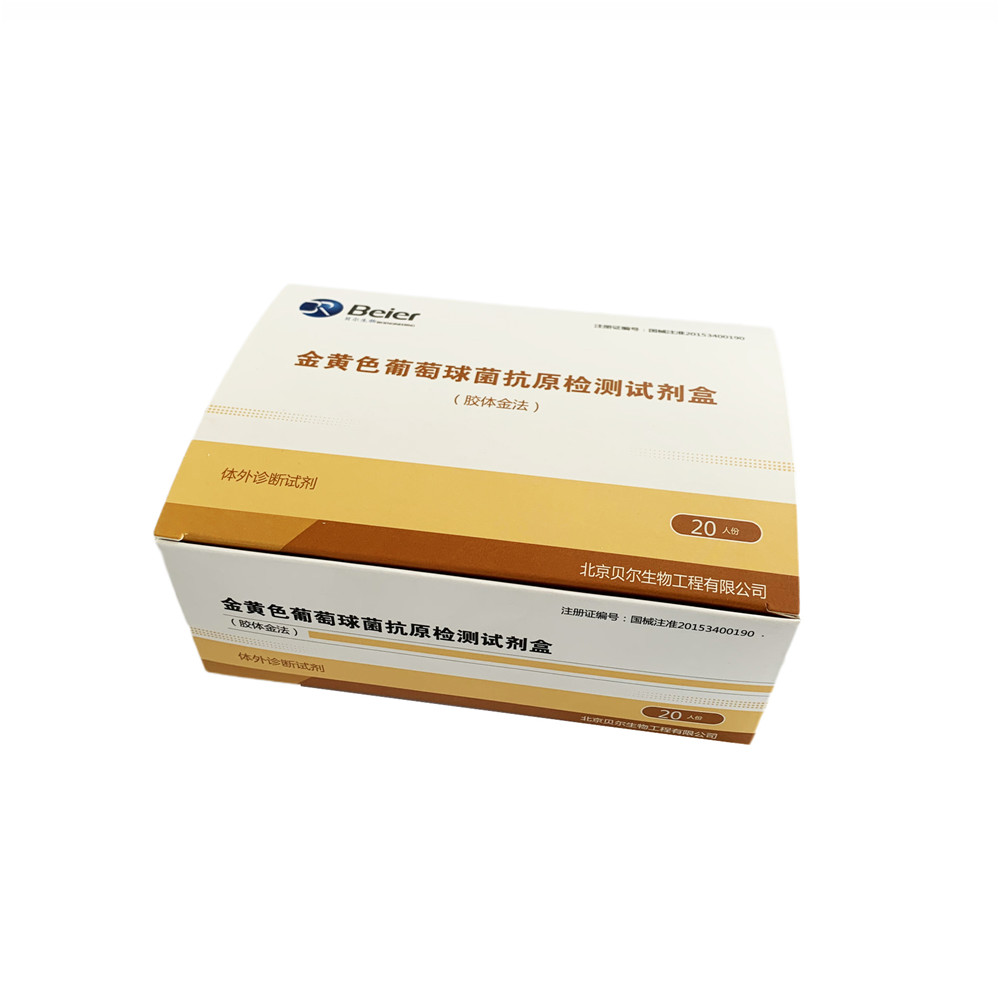
Immunoassays have become an indispensable technology in the field of medical diagnostics, playing a crucial role in the detection and quantification of substances within biological samples. This advanced technique leverages the specificity of antigen-antibody interactions to provide accurate and sensitive measurements, essential for disease diagnosis, therapeutic monitoring, and biomedical research.
### What is Immunoassay?
Immunoassay is an analytical method that utilizes the binding reaction between an antigen and a specific antibody to detect and quantify molecules such as proteins, hormones, drugs, and pathogens in various samples, including blood, urine, and tissue extracts. Unlike traditional chemical assays, immunoassays rely on the biological recognition between antibody and antigen, offering high specificity and sensitivity.
The principle behind immunoassays involves either the antigen or the antibody being labeled with a detectable marker, which can be radioactive isotopes, enzymes, fluorescent dyes, or chemiluminescent substances. When the labeled molecule binds to its counterpart, the resulting complex can be measured through various detection systems. This enables clinicians and researchers to accurately detect even minute concentrations of analytes, facilitating early diagnosis and effective treatment of diseases.
Common types of immunoassays include enzyme-linked immunosorbent assay (ELISA), radioimmunoassay (RIA), chemiluminescent immunoassay (CLIA), and fluorescent immunoassay (FIA). Each method has its unique advantages and is chosen based on the required sensitivity, throughput, and available instrumentation.
### Applications of Immunoassay
The versatility of immunoassays has led to their widespread adoption across various fields. In clinical laboratories, immunoassays are routinely used for:
- **Infectious disease detection:** Identifying viral, bacterial, or parasitic infections by detecting specific antigens or antibodies.
- **Hormone measurement:** Monitoring levels of hormones such as insulin, thyroid hormones, and reproductive hormones to diagnose endocrine disorders.
- **Drug screening:** Detecting therapeutic drugs or illicit substances in patient samples.
- **Cancer markers:** Measuring tumor markers for early cancer detection and monitoring treatment response.
- **Allergy testing:** Identifying allergen-specific antibodies to determine allergic sensitivities.
Additionally, immunoassays are instrumental in pharmaceutical development, food safety testing, and environmental monitoring.
---
### Company Profile: Beijing Beier Bioengineering Co., Ltd.
Founded in September 1995 in Beijing, Beijing Beier Bioengineering Co., Ltd. has established itself as a highly reputable high-tech enterprise in China. Specializing in the research, development, and production of in vitro diagnostic (IVD) reagents, the company is at the forefront of innovation in the diagnostic industry.
With over two decades of experience, Beijing Beier Bioengineering has focused on leveraging advanced immunoassay technologies to create reliable diagnostic solutions. Its portfolio includes a wide range of immunoassay kits and reagents designed to meet the needs of clinical laboratories, hospitals, and research institutions.
The company’s commitment to quality and scientific rigor has enabled it to build a strong foundation in both domestic and international markets. Through continual investment in research and development, Beijing Beier Bioengineering strives to enhance the accuracy, efficiency, and accessibility of diagnostic testing, ensuring better healthcare outcomes.
---
### The Role of Immunoassay Technology at Beijing Beier Bioengineering
As a pioneer in immunoassay reagent development, Beijing Beier Bioengineering integrates cutting-edge immunoassay methodologies with advanced manufacturing processes. The company is dedicated to producing diagnostic reagents that offer superior sensitivity and specificity, enabling early and precise detection of diseases.
The research team focuses on developing immunoassay reagents for various clinical applications, including infectious diseases, tumor markers, and endocrine functions. By optimizing antibody production and labeling techniques, the company ensures that its products deliver consistent performance under diverse testing conditions.
Moreover, Beijing Beier Bioengineering’s commitment to regulatory compliance and quality management systems guarantees that its immunoassay products meet stringent standards. This dedication to excellence validates the company’s position as a trusted partner within the healthcare community.
---
### Future Prospects and Industry Impact
The demand for rapid, accurate, and cost-effective diagnostic tools continues to grow worldwide. Immunoassays remain a cornerstone technology due to their adaptability and precision. In this landscape, companies like Beijing Beier Bioengineering play a vital role in advancing diagnostic capabilities.
Innovations such as multiplex immunoassays, point-of-care testing platforms, and automation integration promise to further enhance the utility of immunoassays. Beijing Beier Bioengineering is well-positioned to lead these advancements, contributing to improved disease management and patient care.
With increasing public health challenges and the rise of personalized medicine, immunoassay technologies will undoubtedly continue to be essential in delivering timely and actionable diagnostic information. Beijing Beier Bioengineering’s ongoing research efforts and commitment to quality ensure it will remain a key player in this dynamic field.
---
### Conclusion
Immunoassays represent a critical technological leap in diagnostic science, enabling sensitive and specific detection of disease markers and biochemical substances. Through the antigen-antibody interaction, immunoassays provide valuable insights that guide clinical decisions and research initiatives.
Beijing Beier Bioengineering Co., Ltd., with its long-standing expertise in immunoassay reagent development since 1995, exemplifies the integration of scientific innovation and manufacturing excellence. As the healthcare industry evolves, the company’s contributions to immunoassay technology will continue to support global efforts toward better health outcomes and improved diagnostic accuracy.
The future of diagnostics is closely tied to immunoassays, and enterprises like Beijing Beier Bioengineering are at the heart of this transformative journey.