
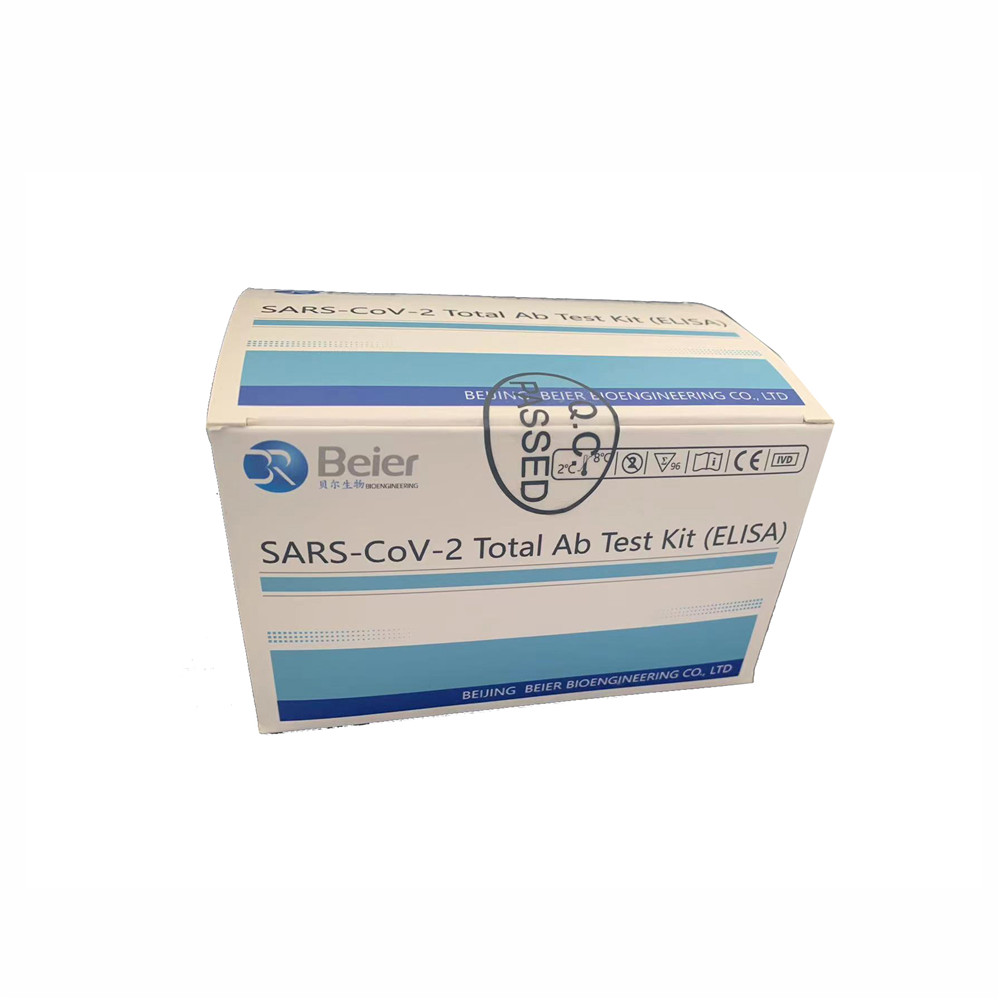
Beijing Beier Bioengineering Co., Ltd. has recently developed a new RTK test kit that is set to revolutionize the field of in vitro diagnostic testing. The company, established in Beijing in September 1995, is a high-tech enterprise in China that specializes in the development and production of in vitro diagnostic reagents. With their latest innovation, they are poised to make a significant impact on the medical and scientific communities.
The new RTK test kit is designed to provide accurate and reliable results for rapid testing of various diseases and conditions. This includes infectious diseases, such as COVID-19, as well as other conditions like cancer and autoimmune disorders. The test kit utilizes the latest technology to deliver quick and precise results, making it an invaluable tool for healthcare professionals and researchers.
In vitro diagnostic testing plays a crucial role in the early detection and monitoring of diseases. It enables healthcare providers to make informed decisions about patient care and treatment, leading to better outcomes for patients. As such, the development of advanced and efficient testing methods is essential for improving the overall quality of healthcare.
Beijing Beier Bioengineering Co., Ltd. has been at the forefront of in vitro diagnostic innovation since its inception. The company has a strong track record of developing high-quality reagents and testing kits that meet the evolving needs of the medical and scientific communities. Their commitment to excellence and dedication to advancing healthcare technology have earned them a reputation as a leading player in the biotech industry.
The new RTK test kit is the latest addition to the company's extensive portfolio of in vitro diagnostic products. It represents a significant milestone in their ongoing efforts to push the boundaries of medical testing and to make a positive impact on global healthcare.
The development of the RTK test kit is a result of extensive research and development efforts by the company's team of highly skilled scientists and researchers. Their expertise in bioengineering and diagnostic technology has enabled them to create a state-of-the-art testing solution that delivers accurate results in a fraction of the time of traditional testing methods.
In addition to its technical advancements, the new RTK test kit is also designed with user convenience in mind. It is easy to use, requiring minimal training for healthcare professionals to administer the test and interpret the results. This user-friendly approach is a testament to the company's commitment to making cutting-edge technology accessible and practical for real-world applications.
The impact of the new RTK test kit is expected to be far-reaching. It has the potential to improve the speed and accuracy of diagnostic testing across a wide range of diseases and conditions, leading to better patient care and outcomes. Additionally, its rapid testing capabilities make it a valuable tool for surveillance and monitoring efforts, particularly in the context of infectious diseases such as COVID-19.
As the global healthcare landscape continues to evolve, the demand for advanced diagnostic solutions will only continue to grow. Beijing Beier Bioengineering Co., Ltd. is well-positioned to meet this demand with its groundbreaking RTK test kit and its ongoing commitment to innovation and excellence in in vitro diagnostic testing.
With the development of the new RTK test kit, Beijing Beier Bioengineering Co., Ltd. is poised to make a significant impact in the field of in vitro diagnostic testing. Their dedication to advancing healthcare technology and their track record of high-quality products position them as a key player in the global biotech industry. As the new RTK test kit makes its way into the hands of healthcare professionals and researchers worldwide, it has the potential to transform the way we approach diagnostic testing and ultimately improve patient care on a global scale.