
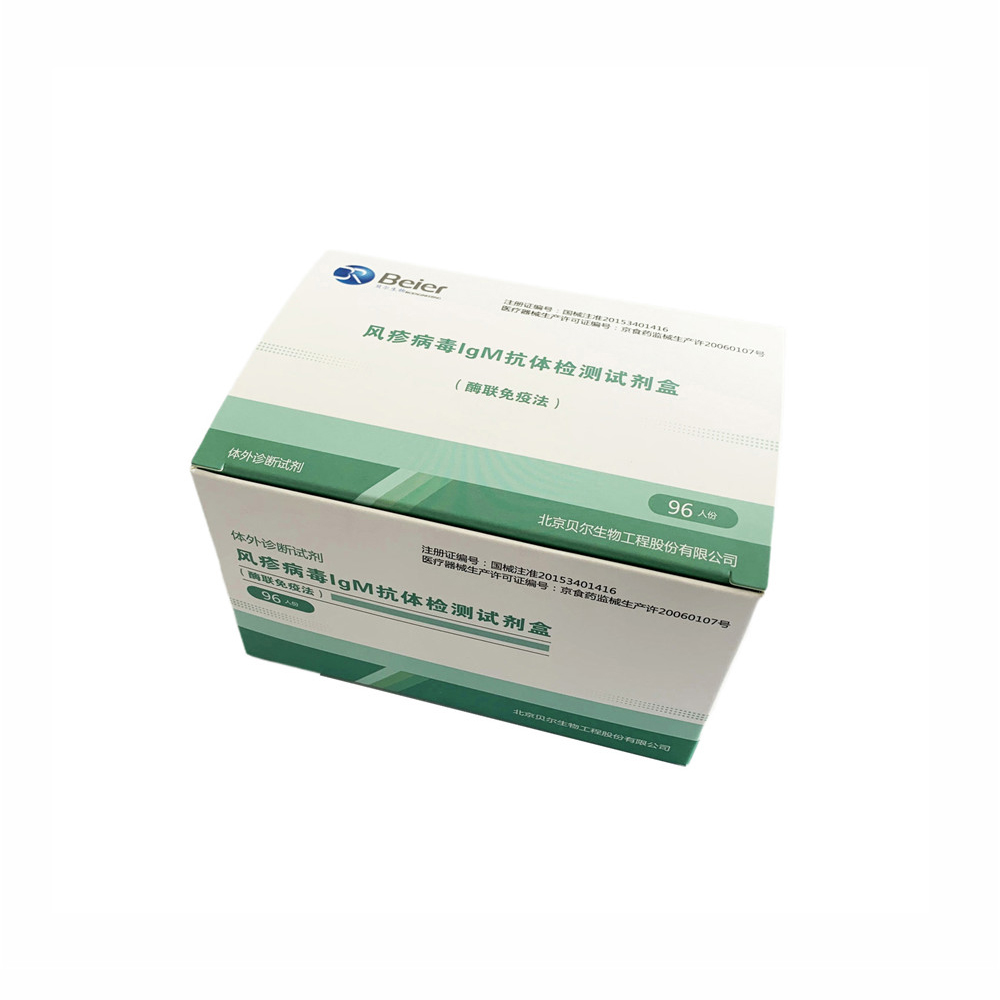
Beijing Beier Bioengineering Co., Ltd., a high-tech enterprise established in Beijing in September 1995, has once again demonstrated its commitment to innovation and excellence in the field of in vitro diagnostics. The company has recently introduced a cutting-edge Chemiluminescence Enzyme-Linked Immunosorbent Assay (ELISA) technology, aimed at enhancing the sensitivity, accuracy, and efficiency of diagnostic testing.
**Pioneering In Vitro Diagnostic Solutions Since 1995**
Since its inception nearly three decades ago, Beijing Beier Bioengineering Co., Ltd. has been at the forefront of developing and producing in vitro diagnostic reagents. The company’s relentless focus on research and development has allowed it to build a comprehensive portfolio of diagnostic products that serve hospitals, laboratories, and research institutions across China and beyond.
Driven by a mission to improve healthcare outcomes through precise and reliable diagnostic tools, Beijing Beier Bioengineering has invested heavily in advanced technologies and quality manufacturing practices. The introduction of Chemiluminescence ELISA technology marks a significant milestone in the company’s growth trajectory, representing both an expansion of its technological capabilities and its dedication to meeting the evolving needs of the clinical diagnostics market.
**The Advantages of Chemiluminescence ELISA Technology**
Chemiluminescence ELISA is a sophisticated immunoassay technique that utilizes a chemical reaction to emit light, which is then measured to detect the presence and concentration of specific analytes such as proteins, hormones, and antibodies. Compared to traditional colorimetric ELISA, chemiluminescence-based assays offer several notable advantages:
- **Enhanced Sensitivity:** The chemiluminescent signal is highly sensitive, enabling the detection of analytes present in extremely low concentrations. This is particularly valuable for early disease diagnosis and monitoring where biomarker levels may be minimal.
- **Wide Dynamic Range:** Chemiluminescence assays provide a broad dynamic range, allowing for accurate measurement of both low and high concentrations of target substances without the need for extensive sample dilution.
- **Rapid and Reliable Results:** The technique is known for consistent performance and faster signal generation, which translates to shorter assay times and increased throughput in clinical settings.
- **Low Background Noise:** Chemiluminescent detection often results in lower background signals compared to colorimetric methods, contributing to higher assay specificity and reduced false positives.
By incorporating this advanced technology into its product lineup, Beijing Beier Bioengineering significantly enhances diagnostic precision, empowering healthcare providers to make better-informed decisions in patient care.
**Meeting Clinical and Research Needs**
The introduction of Chemiluminescence ELISA complements a wide array of diagnostic reagents already offered by Beijing Beier Bioengineering. Its applications span multiple clinical areas, including infectious diseases, oncology, endocrinology, and autoimmune disorders. This versatility makes the technology an invaluable asset not only for routine clinical diagnostics but also for cutting-edge research and development projects.
Healthcare providers benefit from more accurate screening and monitoring tools, which can lead to earlier detection and more personalized treatment plans. Additionally, research institutions gain access to reliable assays that support biomarker discovery and validation, facilitating advancements in medical science.
**Commitment to Quality and Innovation**
Beijing Beier Bioengineering’s reputation as a trusted name in in vitro diagnostics is built on a foundation of stringent quality control and ongoing innovation. The company adheres to international standards throughout its manufacturing processes, ensuring that each batch of diagnostic reagents meets rigorous performance criteria.
Moreover, the company fosters a culture of continuous improvement by collaborating with academic institutions, hospitals, and industry experts. This collaborative approach allows Beijing Beier Bioengineering to stay at the cutting edge of diagnostic technology trends and to swiftly respond to emerging healthcare challenges.
**Future Outlook**
Looking ahead, Beijing Beier Bioengineering plans to expand its capability in chemiluminescence immunoassays by developing an even broader range of reagent kits tailored to specific clinical conditions and epidemiological needs. The company is also exploring integration with automated diagnostic platforms to streamline laboratory workflows and enhance data management.
As the global demand for precise, rapid, and cost-effective diagnostic tools continues to grow, Beijing Beier Bioengineering is well-positioned to leverage its expertise and technological advancements to capture new opportunities in both domestic and international markets.
**Conclusion**
Since its establishment in 1995, Beijing Beier Bioengineering Co., Ltd. has been a leader in the development and production of in vitro diagnostic reagents in China. The company’s recent introduction of Chemiluminescence ELISA technology underscores its dedication to advancing diagnostic science and improving healthcare outcomes.
By combining innovative technology with a commitment to quality and collaboration, Beijing Beier Bioengineering is setting new standards in the field of clinical diagnostics. The company’s efforts not only enhance diagnostic accuracy and efficiency but also contribute to better disease management and patient care, reinforcing its role as a key player in the biotechnology sector.
As the landscape of medical diagnostics evolves, Beijing Beier Bioengineering’s pioneering solutions continue to inspire confidence among healthcare professionals and patients alike, paving the way for a healthier future.